

Modern economic markets need pace, detail, and versatility, specially as worldwide trading activity keeps growing year after year. Traders today rely seriously on incorporated programs that mix analytics, execution methods, and automation. One of the very generally used answers in this room could be the forex trading, which has changed into a central instrument for equally novices and skilled traders seeking to boost performance through structured industry entry and advanced features.
Why is contemporary trading tools necessary?
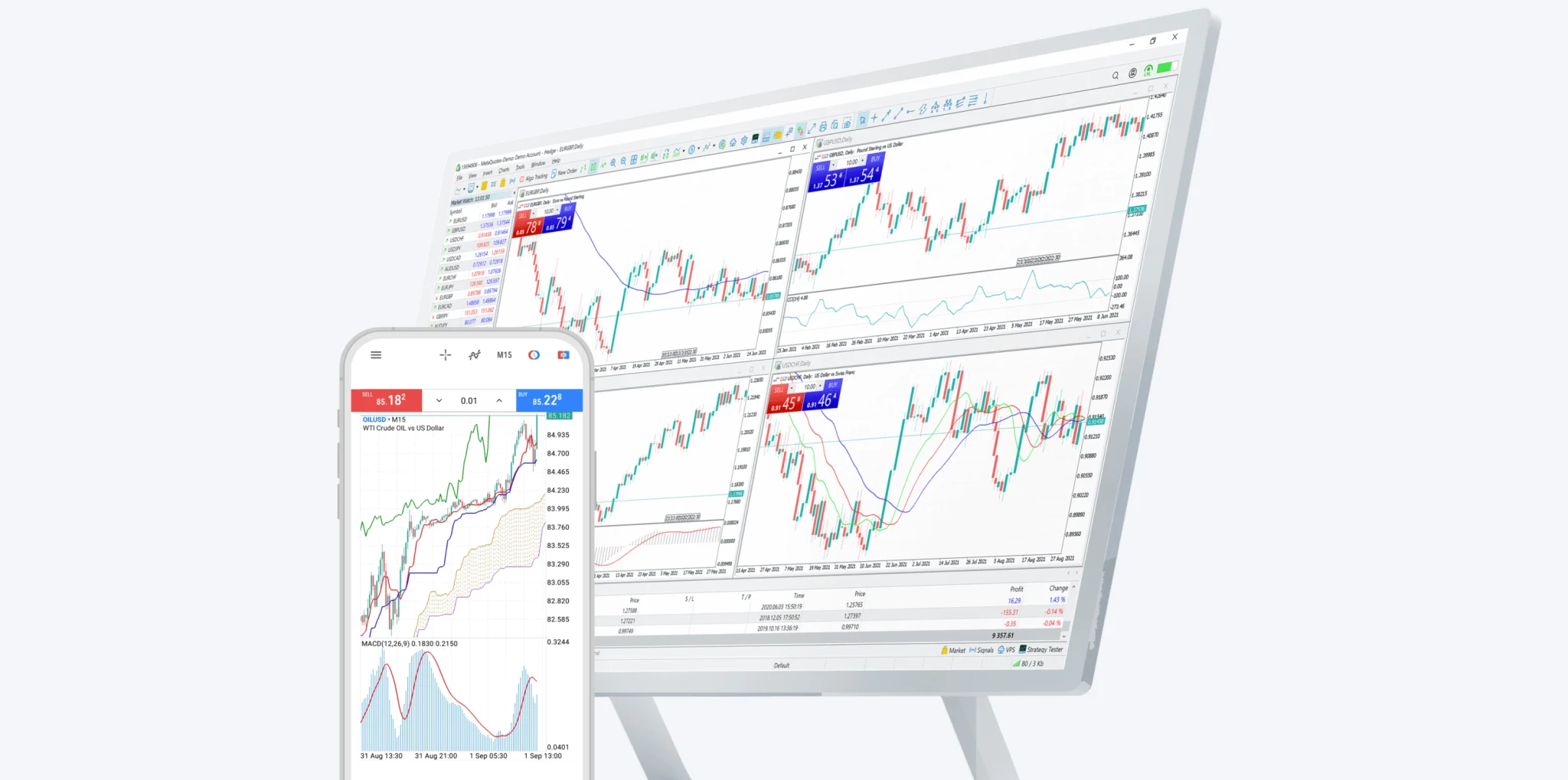
Recent market reports declare that around 70% of effective traders depend on multi-device trading techniques to control positions efficiently. The rise of real-time performance and cellular availability has somewhat increased participation in global markets. Systems nowadays are estimated to supply quick get running, advanced planning, and risk get a grip on resources in one environment.
How come automation becoming more important?
Automation is no longer optional. About 65% of high-frequency trading decisions are now partially or completely automated. This change helps lower mental trading and increases consistency in decision-making. Computerized alerts, specialist techniques, and algorithm-based performance allow traders to react faster to promote improvements without handbook delays.
What characteristics do traders price most?
Surveys across trading towns highlight many core features:
Real-time cost bottles and industry degree
Sophisticated planning with technical indicators
Multi-asset trading help
Tailor-made trading programs
Solid risk management methods such as for example stop-loss and take-profit methods
These methods help traders analyze volatility and change strategies predicated on market situations as opposed to speculation.
How can industry data impact trading efficiency?
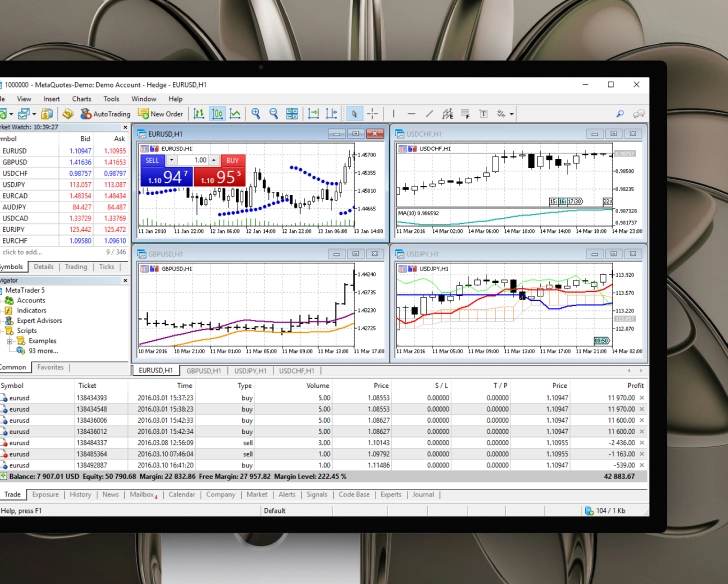
Data-driven trading shows a measurable improvement in choice accuracy. Studies suggest that traders using structured analytics resources improve business outcomes by nearly 30% in comparison to manual-only strategies. Use of famous styles, live graphs, and predictive signals enables more educated decisions and decreases uncertainty.
Is trading getting more accessible?
Sure, availability has improved significantly. Portable trading utilization has developed by around 50% within the last few several years. That change allows consumers to check positions and execute trades from anywhere, raising participation across global markets. Flexible interfaces and refined dashboards have built trading more user-friendly for beginners.
What does the continuing future of trading programs seem like?
The near future is estimated to focus on AI-assisted trading , greater automation, and enhanced personalization. Tools will more than likely be more predictive, offering real-time ideas predicated on behavioral styles and market sentiment. Integration with advanced diagnostic tools may continue to form how traders approach economic markets.
Final understanding
Contemporary trading conditions are no further just performance tools—they're complete analytical ecosystems. With rising need for rate, reliability, and intelligence, traders are increasingly adopting platforms that support structured methods and data-driven decision-making.